Inside the Tank: A Peek into the Tecniplast Annual International Zebrafish Husbandry Course, 2023

Admin ZHA • June 7, 2024

Charli Corcoran

Part I/III

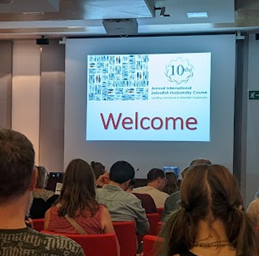
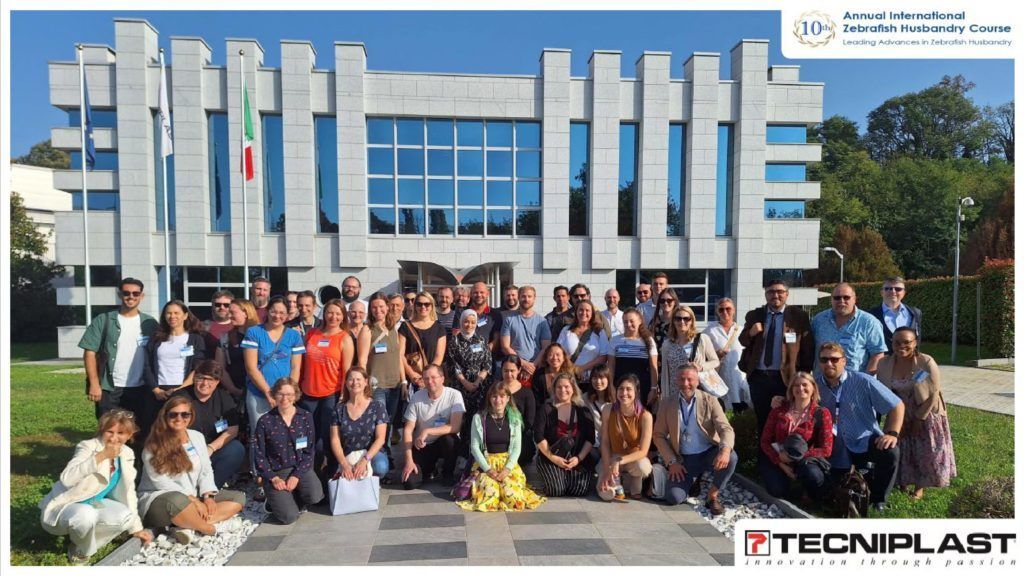
In October 2023 I was fortunate to attend the 10th Annual International Zebrafish Husbandry Course, hosted by Tecniplast and held in Buguggiate, Italy. The course brings together zebrafish husbandry experts from around the world to present recent advancements in zebrafish husbandry to the course attendees.  In 2023 the course ran from 9th October – 13th October, and there were 40 attendees representing 15 countries.  My place among them was funded by both the Zebrafish Husbandry Association’s Advancement Fund, and my facility at the Institute of Genetics and Cancer, University of Edinburgh, and I am grateful to both for the chance to attend this course.

The week was full of education and collaboration, aligning with the Zebrafish Husbandry Association’s mission of promoting and developing zebrafish husbandry standards through education, collaboration, and publication.   The course was attended by zebrafish enthusiasts with many years of experience behind them and those making their first steps into zebrafish husbandry, and the content covered a wide range of topics from the natural history of zebrafish, the details of managing a zebrafish colony to the intricacies of balancing water quality and the importance of disaster planning.  Not only did we have the opportunity to learn from the expert panel of speakers, but there was also time for us to learn from each other during the networking and social events throughout the week.

“The knowledge and experience that people share (is) definitely not something that I can search online and find easily.” Iris Y.K.  Woo, University of Hong Kong.

For me, the most important part of the course was the chance to engage with colleagues from around the world.  Being able to discuss challenges and contribute to conversations with members of the international zebrafish community has opened doors to different and diverse perspectives, new approaches – and provided me with a list of people to email for advice if needed.

“I think the networking we got across the world is key to optimize and running a successful facility”
Michael Henningsen, University of Copenhagen

I spoke to several of the course participants, and asked their views on aspects of the course, including key takeaway messages, what they thought the zebrafish community should be excited about and how they might implement the knowledge that they gained on the course.  Thank you to everyone who responded and shared their views with me, I feel that it really highlights the international and collaborative nature of this course.  

While this blog is my opinion of and reflection on the course, I have included quotes from other participants to highlight the international impact that the course has had.  The blog will discuss key take home messages from each of the eight expert speakers and summaries of the (in my opinion) key lectures throughout the course.

  1. Top Tips from the Speakers
  1. Lecture Summaries
    • Disease and Disease Management
    • Health Monitoring
    • Water Quality Fundamentals
    • “Refinement” and “Setting & Validating Standards”
    • Genetic Colony Management
By Joana Monteiro December 31, 2025
The 16th FELASA congress took place last June 2-5, 2025 in Athens. The congress offered a dynamic mix of scientific sessions, technical workshops, and informal exchanges. It brought together a great diversity of professionals - researchers, facility managers, technicians, veterinarians, officials of the regulatory bodies, vendors - all committed to advancing laboratory animal science in line with the 3Rs. The congress also fostered a strong sense of community. Whether it was over coffee or during the evening socials, there was time for valuable conversations about everything from tank design to ethics committee reviews. And the ZHA was beautifully represented by members of the Executive Board and volunteers!! While the programme covered a wide range of species and models, zebrafish had a stronger presence than ever. Regulatory topics drew strong attendance and included the reporting of experimental animals and genetically modified fish. There were extensive discussions on the 2024 updates to EU Directive 2010/63/EU. The primary focus was on strategies for meeting the new minimum requirement of 1 liter of accessible water per zebrafish. Most commercially available breeding tanks currently do not comply with this regulation. In the absence of ready-made solutions, one interesting approach presented was a custom-made insert designed to fit 3.5L holding tanks already in use at the facility. This insert provides over 1L of swimming space while separating adults from spawned eggs. It also promotes sustainability by repurposing existing tanks rather than requiring new purchases. A workshop on severity assessment in fish offered real case studies and helped attendees refine welfare scoring and end-point assessment for zebrafish and other aquatic species. Methods for anesthesia and euthanasia were revisited. One presentation introduced a fully optimized setup for euthanizing zebrafish directly in their standard housing tanks using electrical stunning. Although this method represents a significant refinement in fish euthanasia, its broader adoption may be limited by the lack of commercial availability. Facilities would need to invest in custom-building the setup, which may pose a challenge in terms of cost and technical resources. In another presentation, the audience was reminded of chemical methods other than MS222, including lidocaine hydrochloride 1 g/L, buffered with 2 g/L of sodium bicarbonate and mixed with 50 mL/L of ethanol, which seems to be a faster and less aversive method of euthanasia for both adults and larvae. Secondary methods for confirmation of death were also discussed. Welfare refinement was another hot topic. It was great to see an increasing number of evidence-based enrichment protocols, with new evidence in favour of physical environmental enrichment. The data showed the impact of visual barriers, substrate mimics, and tank complexity on fish behavior and physiology. Other topics discussed included refinements of genotyping methods and health monitoring, risk assessment, and control of pathogens transmission, among others. Several sessions offered practical suggestions for zebrafish management and care, including facility design, husbandry best practices, early disease detection, and larval rearing techniques. Beyond the formal sessions, the poster area also counted with zebrafish content. As we continue to refine husbandry and welfare practices, and navigate evolving regulations, gatherings like the FELASA congress are essential for sharing knowledge and building a knowledgeable, collaborative, and forward-thinking community. And last but certainly not least, a heartfelt thank you to the Zebrafish Husbandry Association, who awarded me one of the 2024 Advancement Grants. Your support helped make my attendance to this congress possible!
By Kamar Ameen-Ali December 31, 2025
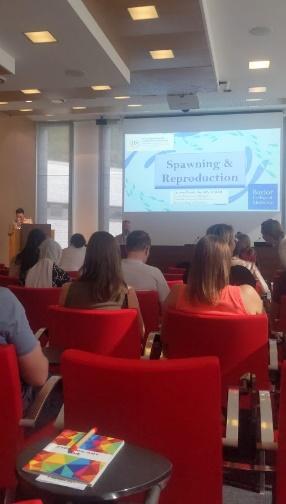
In October 2024, I travelled to Gödöllő in Hungary for the second European Zebrafish Husbandry Association meeting (EZHAM); the first having taken place in London two years earlier. I had been invited to give a talk opening the 3Rs session, as the meeting coincided with the recently published book ‘Zebrafish: A Practical Guide to Husbandry, Welfare, and Research Methodology’, edited by Dr Claire Allen and Dr J-P Mocho. In this book, I had authored a chapter entitled ‘The 3Rs in Zebrafish Research’ and it was this topic I would be giving my talk on. I’m a neuroscientist and dementia researcher, with a strong interest in bioethics, specifically the ethical use of animals in scientific research. I’m a senior lecturer at Teesside University in the UK, but I previously worked for the NC3Rs, a UK-based organisation that funds research and leads initiatives to promote and implement the 3Rs in scientific research. For those who may not be aware, the 3Rs (Replacement, Reduction, Refinement) are an important ethical and legislative framework for the use of animals in scientific research. In research where zebrafish are used as a model organism, replacement may involve using mathematical or computer modelling as a complete replacement of the use of zebrafish, or alternatively using embryonic or foetal forms of zebrafish as partial replacement. Reduction refers to using the most appropriate number of zebrafish required to obtain statistically meaningful results and using methods and techniques to minimise the use of zebrafish where possible. Finally, refinements in zebrafish research involve any method or approach which can improve welfare or reduce potential harm to zebrafish. In my role with the NC3Rs, I worked with researchers and animal facility staff across several universities to share best practice, as well as being a member of several ethics committees where I advised on the 3Rs in animal-based projects. Presenting at EZHAM provided me with an opportunity to inform delegates about advancing the 3Rs in zebrafish research, and share current research on zebrafish welfare, including husbandry methods and techniques. Gödöllő is situated about 20 miles northeast from Budapest, the capital city of Hungary. To keep financial costs down, I decided to stay in a hotel I’d been in before on a previous trip to Budapest and get the short train ride to and from Gödöllő on the days of the meeting. The station in Gödöllő was located at the bottom of a small hill, with the venue a short walk to the top. I always feel that the best way to get a sense of a new place is by using public transport, and I thoroughly enjoyed travelling on the local trains with the commuters. The meeting was hosted at the Institute of Aquaculture and Environmental Safety of the Hungarian University of Agriculture and Life Sciences. The specific venue was the Agricultural Machinery and Technology Curiosity Museum, which housed many fascinating exhibitions on historical use of machinery and equipment, which we could explore during the breaks. When I arrived, I registered and took a wander around the exhibitors which were interspersed among the museum items. The posters were in a separate room adjacent to the large seminar room where the talks would be held. The meeting was extremely well organised, and it was clear that a lot of thought had gone into the best way to host a hybrid meeting and deliver a positive experience for online delegates. Professional cameras and recording equipment were set up, with around four or five dedicated technical staff responsible for this side of things. This meant I could give them my presentation slides without worrying about any IT issues, which is always the most stressful part of giving a talk! Having the meeting recorded also meant myself and other delegates could go back and watch any talks we enjoyed or may have missed. Before I discuss my 3Rs talk, I want to share some of my personal highlights from the meeting. Of the posters, there were two that particularly appealed to my interests. The first was by Lisa Van Hateren from the University of Sheffield, UK. The poster evaluated methods of genotyping zebrafish and how procedure numbers can be reduced by genotyping embryos or using methods which are more refined than the commonly used fin clipping of zebrafish adults. Secondly, Anita Rácz from the University of Glasgow, UK, presented some interesting data on refining commonly used visible implant elastomer identification tags, with potential welfare benefits. There were some fantastic talks throughout the meeting, including two by Professor Lynne Sneddon from the University of Gothenburg, Sweden. I’ve seen Professor Sneddon give talks on a number of occasions and it’s always a pleasure to hear her present her research which has truly advanced zebrafish welfare, and our understanding of this species as it has gained popularity as a model organism. Professor Sneddon shared her work on environmental enrichment, as well as methods to assess zebrafish welfare, recognising pain, and pain management protocols. A talk by Dr Christian Lawrence from SmartLabs, USA, generated interesting discussions on a topic which is applicable across many areas of laboratory science, not just zebrafish research. Protocols and environmental conditions can vary greatly across labs and institutions, but should we be striving for greater standardisation? Human diseases and conditions can have significant variation in how they present, which can be attributable to heterogenous genetic and environmental factors. Perhaps greater translation between animal and human studies can be achieved by simply improving the reporting of any differences in laboratory studies rather than trying to achieve standardisation. Finally, a talk by Dr Gregory Paull from the University of Exeter, UK, presented an interesting discussion on the UK Home Office Breeding and Maintenance protocol for genetically modified zebrafish. This stipulates that zebrafish are to be kept only to a maximum of 18 months of age, after which they are required to be euthanised. Dr Paull highlighted the lack of data on whether this is consistent with the 3Rs and maintaining welfare standards if the zebrafish are healthy at 18 months of age and continuing to breed successfully. Moreover, this policy could be leading to more zebrafish being used for breeding and maintenance than is necessary. As I previously said, my talk opened the 3Rs session on Day 2. I used this opportunity to update delegates on contemporary definitions of the 3Rs and share resources and guidelines to assist with the design and reporting of scientific experimental studies that involve the use of zebrafish. I discussed how better reporting, more reproducible studies, and new methods and technologies contribute towards advancing scientific progress and ensuring the highest standards of welfare are applied. Following Dr Lawrence’s talk, I agreed that there was a lack of standardisation across zebrafish facilities, but I discussed that for improved translation, this shouldn’t necessarily be the goal. Instead, better reporting to ensure studies are reproducible, should be. In addition, following Dr Paull’s talk I agreed that more research was needed to determine the validity of not maintaining breeding zebrafish after 18 months of age. In my talk I discussed how if zebrafish are still healthy and breeding beyond 18 months of age, this would go against the 3Rs principle of reduction, as it would lead to more zebrafish being required for breeding. However, if maintaining the zebrafish for breeding beyond this age had a negative impact on experimental outcomes, e.g., by affecting the quality of offspring, then this would go against reduction because more zebrafish would be required to minimise variation, and there could potentially be an increase in attrition rates. It would also go against refinement, if the breeding zebrafish experienced any negative health implications from breeding beyond 18 months of age. Finally, best practice in zebrafish husbandry techniques is direct refinement, so this was an opportunity to share knowledge within the community. Research on zebrafish welfare is advancing quickly so EZHAM was an important opportunity for the zebrafish husbandry community to be kept up to date on best practice, particularly on evidence that has implications for the 3Rs. It was great to hear about recent advances in zebrafish husbandry and research and establish areas where more work is needed. I want to thank the Zebrafish Husbandry Association for awarding me the Advancement Fund, without which I wouldn’t have been able to attend the meeting.
By Admin ZHA September 1, 2024
by Charli Corcoran The Lectures: top tips and takeaways The course was rather intense, we had a jam-packed schedule from the course’s start onMonday evening. It began with an opportunity for networking and to introduce ourselves toeach other and a keynote speech addressing all the amazing things that zebrafish can beused for in research.  It… The post Inside the Tank: A Peek into the Tecniplast Annual International Zebrafish Husbandry Course, 2023 Part III/III appeared first on Zebrafish Husbandry Association.
By Admin ZHA July 1, 2024
Top Tips from the Expert Speakers Tecniplast has put together a great team of speakers, who are very knowledgeable in the field of zebrafish husbandry, and who have an amazing wealth of experience in their roles. Not only that, but they clearly love what they do, and it was great to have the opportunity to… The post Inside the Tank: A Peek into the Tecniplast Annual International Zebrafish Husbandry Course, 2023 Part II/III appeared first on Zebrafish Husbandry Association.
By Admin ZHA December 31, 2023
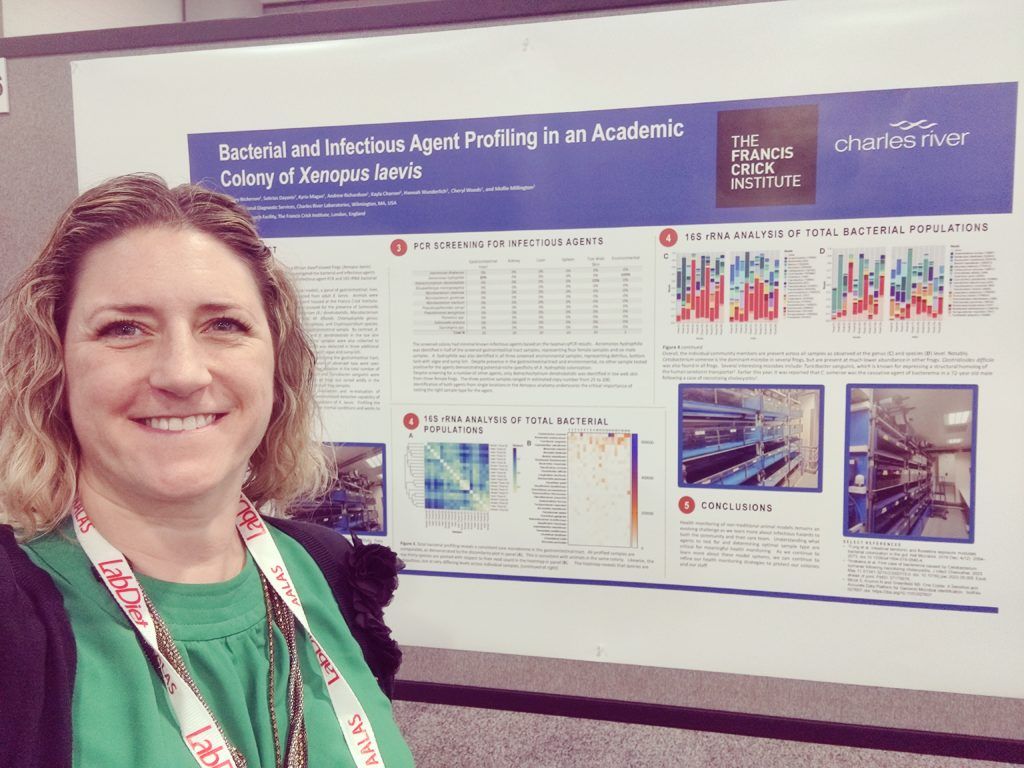
Mollie Millington shares her experiences attending National AALAS The post A First Time For Everything (ZHA & AALAS) – by Mollie Millington appeared first on Zebrafish Husbandry Association.
By Admin ZHA October 29, 2023
I was immensely fortunate to receive a $1000 grant from the Zebrafish Husbandry Association,which opened the doors for me to attend the 10th Annual International Zebrafish Husbandry Course in the enchanting city of Buguggiate VA, Italy, hosted by Tecniplast. From October 9th to 13th, 2023, I had the privilege of immersing myself in a world… The post Exploring the Wonders of Zebrafish: My Insights from the 10th Annual International Zebrafish Husbandry Course – by Candace Sparkman appeared first on Zebrafish Husbandry Association.
By Admin ZHA September 15, 2023
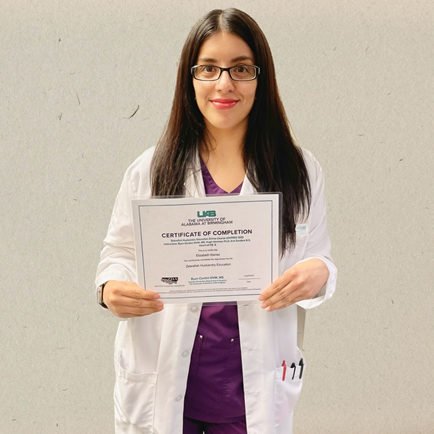
Firstly, I would like to express my gratitude to the Zebrafish Husbandry Association for the chance to further my knowledge in Zebrafish management and husbandry. The zebrafish program in our facility was started last year in March 2022, and the ZHA has provided great resources and connections that have furthered the success of our program.… The post Advancement Fund Feature: Elizabeth Ibañez appeared first on Zebrafish Husbandry Association.
By Admin ZHA August 11, 2023
Our annual fundraiser has returned! Every year, the ZHA t-shirt design contest draws on the immense talent of our members to design a t-shirt for the membership (and even non-members!) to buy. The proceeds from the t-shirt sales go directly to our Advancement Fund program, which provides small grants to the membership to advance their… The post The 2023 T-shirt contest is here! appeared first on Zebrafish Husbandry Association.
By Admin ZHA November 12, 2022
Call for Abstracts Closes 5th December With the approach of the 2023 ANZAAP Aquatic Symposium, we need you!!The 2023 Symposium will be a Hybridevent, hosted by Melbourne University and running over three days from the 8th to the 10th of February 2023.  We want to hear about what matters to you.Your research, your experiences, your animals, your successes and even… The post Call for Abstracts: ANZAAP 2023! appeared first on Zebrafish Husbandry Association.
By Admin ZHA September 14, 2022
The Zebrafish Husbandry Association (ZHA) is getting noticed: Lab Animal Europe, the leading publication for Scientists, Facility Managers and Technicians throughout Europe has just included a meeting announcement for the ZHA 1st European Meeting in its latest issue. Lab Animal Europe is circulated monthly and is packed with European content and topical issues, it is… The post The ZHA is Getting Recognition! appeared first on Zebrafish Husbandry Association.